


How to Ferment Oats at Home: A Step-by-Step Guide
How to Ferment Oats at Home: A Step-by-Step Guide
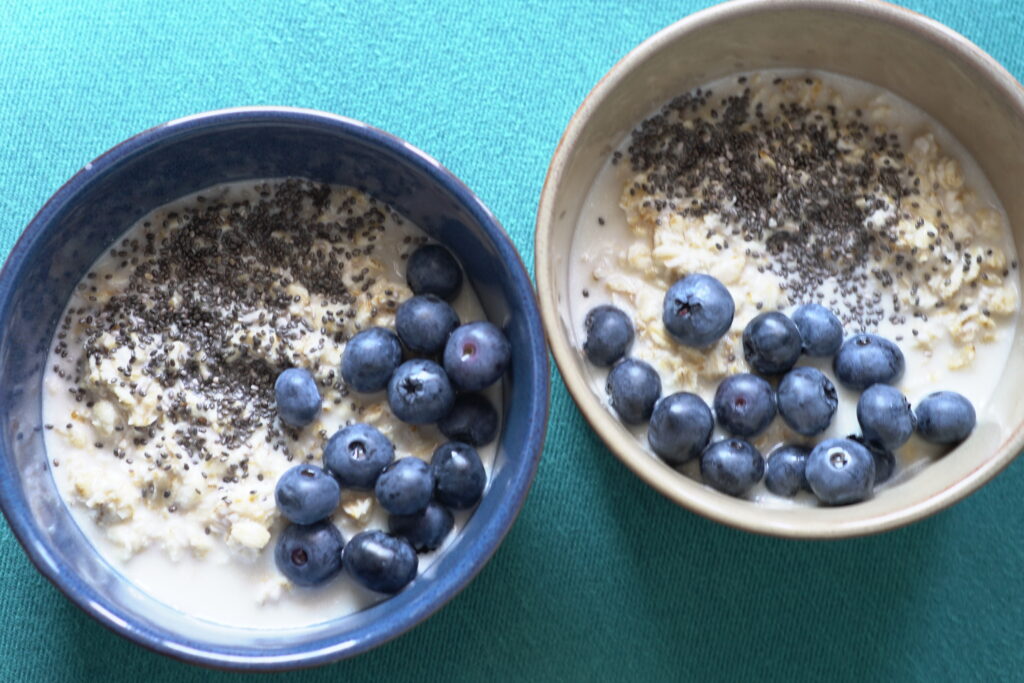
Fermenting oats is a simple and effective way to improve their nutritional value and make them easier to digest. In this guide, I’ll show you how to do it at home in an easy way
Fun fact:
It is recommended to consume between 28 and 38 grams of fiber per day. Half a cup of oats contains approximately 4 grams of fiber.
How is oat lacto-fermentation done?
Ingredients:
- 50 g of oats (whole, rolled, or chopped)
- 100 ml of water (filtered or previously boiled and cooled)
- 1 tablespoon of a fermentation starter (such as yogurt, kefir, or whey)
Method:
- At night, before going to bed, place the oats in a container and add water in a 1:2 ratio (for example, 50 g oats + 100 ml water).
- Add a tablespoon of yogurt and mix everything well.
- Cover the container (not airtight—allow some air in) and let it ferment for 8–12 hours at room temperature.
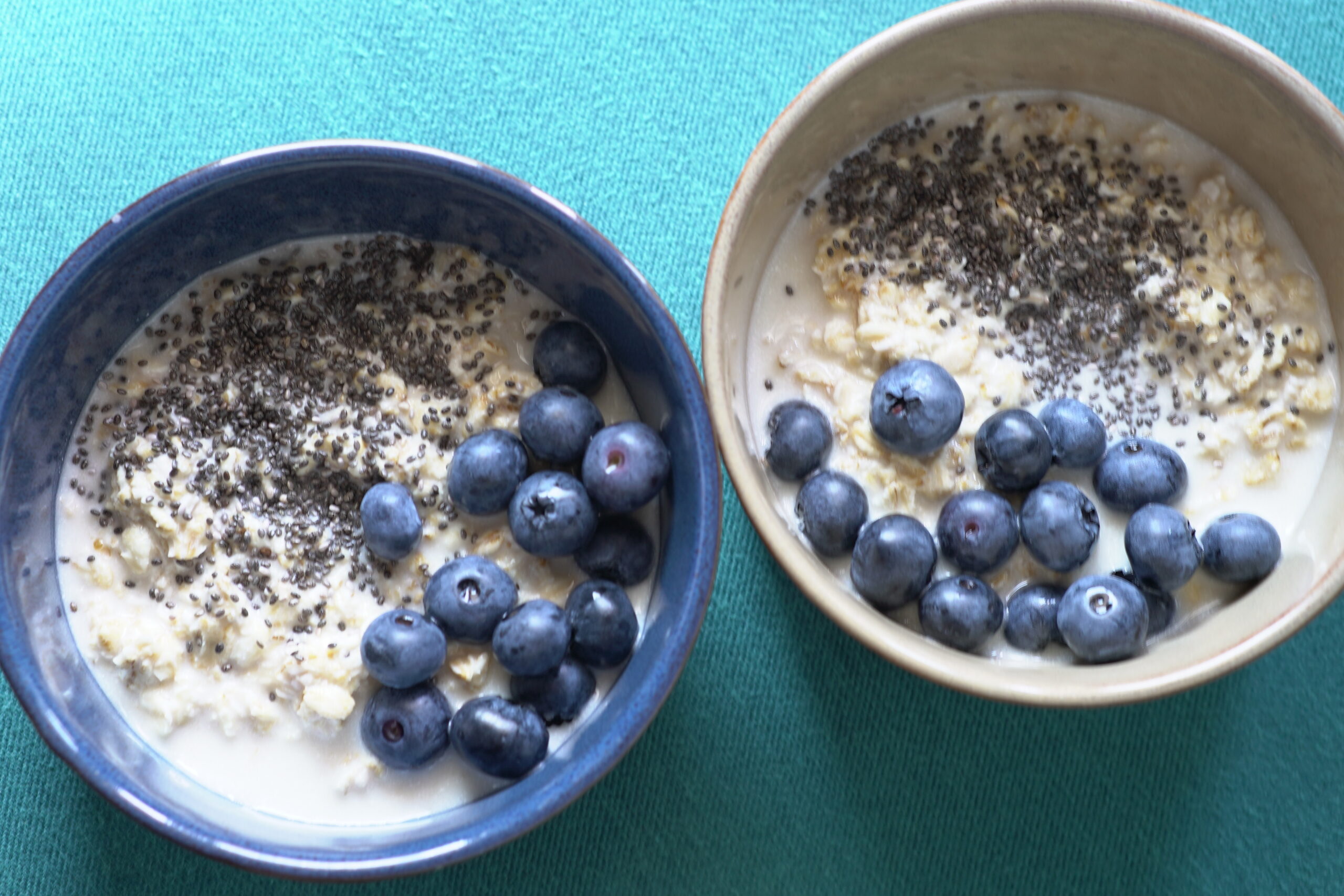
- Once fermentation is complete (usually in the morning), add your favorite toppings such as fruit, seeds, or nuts.
Instead of water, you can use cow’s milk, plant-based milk, or a mix. For example: 50 g oats + 50 ml water + 50 ml kefir/milk.
Important:
Fermented oats should not be cooked or heated at high temperatures, as this would destroy the beneficial bacteria.
They are also not suitable for people with histamine intolerance.
Vegan alternative:
You can use plant-based yogurt (e.g., coconut), kombucha, or apple cider vinegar.
Benefits of Food Fermentation
Improved Digestion
✔ Pre-digestion of Nutrients:
The microorganisms present in fermented foods break down nutrients into forms that are easier to digest, which can help people with digestive issues.
✔ Relief of Digestive Disorders:
Consuming fermented foods may help reduce symptoms of digestive conditions such as irritable bowel syndrome (IBS), bloating, and constipation.
Increased Nutrient Bioavailability
✔ Better Absorption of Vitamins and Minerals:
Fermentation can increase the availability of B vitamins, vitamin K, and minerals such as zinc, magnesium, and iron, making them easier for the body to absorb.
Production of Probiotics
✔ Gut Health Benefits:
Fermented foods are rich in probiotics, which are beneficial bacteria that help balance the gut microbiota and improve digestive health.
✔ Immune System Support:
A healthy gut is closely linked to a strong immune system. Probiotics may help prevent infections and diseases.
Natural Food Preservation
✔ Longer Shelf Life:
Fermentation is a natural way to preserve food, as the process inhibits the growth of harmful bacteria, extending shelf life without the need for artificial preservatives.
Reduction of Antinutrients
✔ Lower Phytic Acid Levels:
Fermentation can reduce phytic acid, a compound that may interfere with the absorption of essential minerals such as iron and calcium.
Improved Taste and Texture
✔ Development of Complex Flavors:
Fermented foods develop unique and complex flavors that can enhance your diet and make healthy foods more enjoyable.
How to Include More Fermented Foods in Your Diet
Incorporating fermented foods into your diet not only provides nutritional benefits, but also enhances your culinary experience with new flavors and textures. Dare to experiment and discover the many benefits these foods can offer you.